Community
Wollongong's industrial rise: from coal to steel
How the Illawarra transformed from Dharawal lands into Australia's steel heartland-and what comes next.
2 min read
Updated Mon, 3 Aug
Community
How the Illawarra transformed from Dharawal lands into Australia's steel heartland-and what comes next.
2 min read
Updated Mon, 3 Aug
Wollongong's history is the story of the Dharawal people's coastal country transformed by coal mining (from the 1840s) and steelmaking (from 1928) into the industrial city that the BHP and Port Kembla steelworks made, and the post-industrial university and services city it has become since the mill's contraction in the 1980s.
Wollongong City Library heritage collection, the local history collection documents the Dharawal country, the cedar cutting that preceded the coal mining, the coal industry that defined the Illawarra for 150 years, and the migration waves, British, Italian, Greek, and more recently Lebanese and Pacific Islander, that the steelworks labour needs created.
Illawarra Museum, the museum in Crown Street covers the Illawarra district history with the photographs, the oral histories, and the material culture collection that documents the transformation from the coastal farming and fishing community of the 1840s to the industrial city of the 20th century and the service city of today.
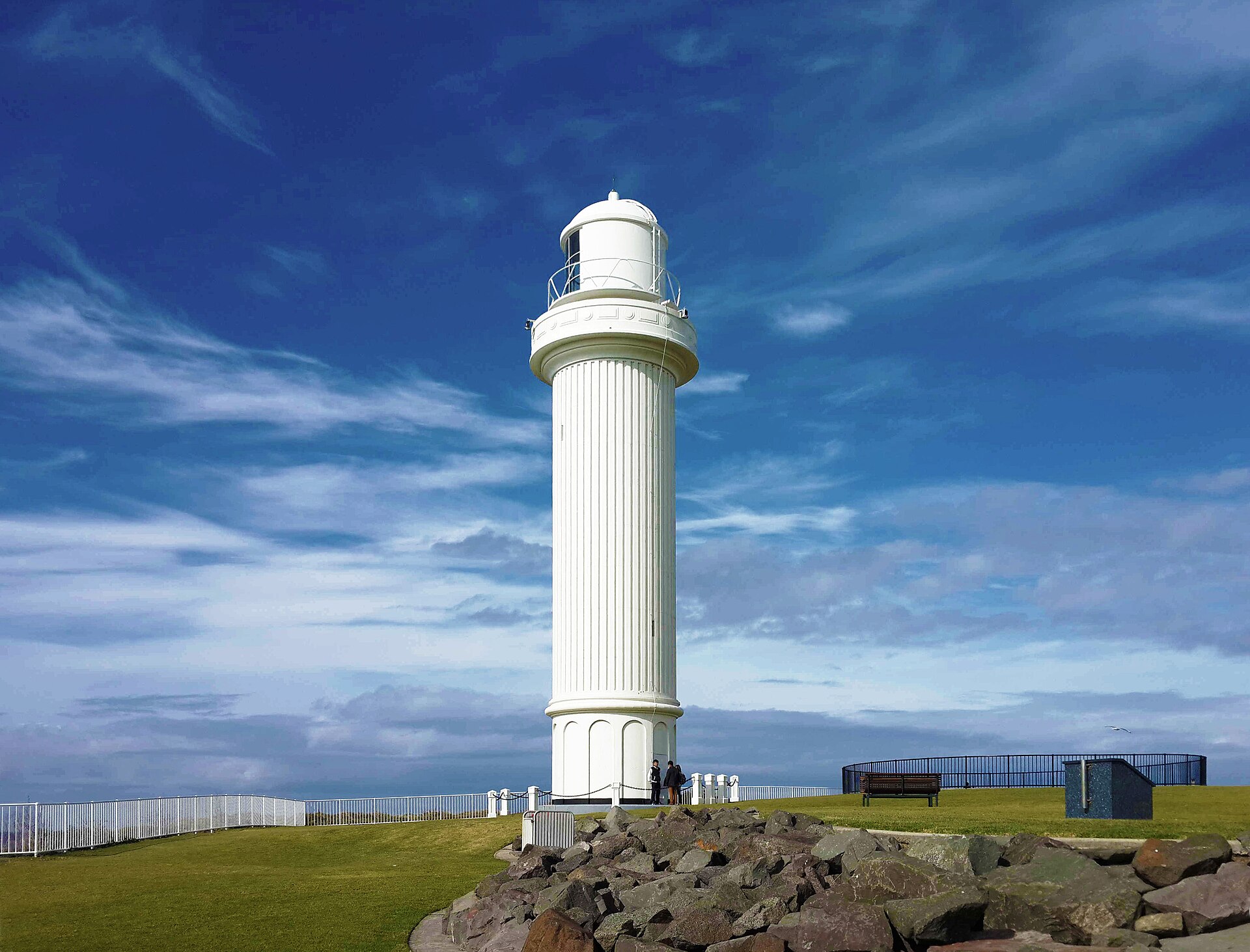
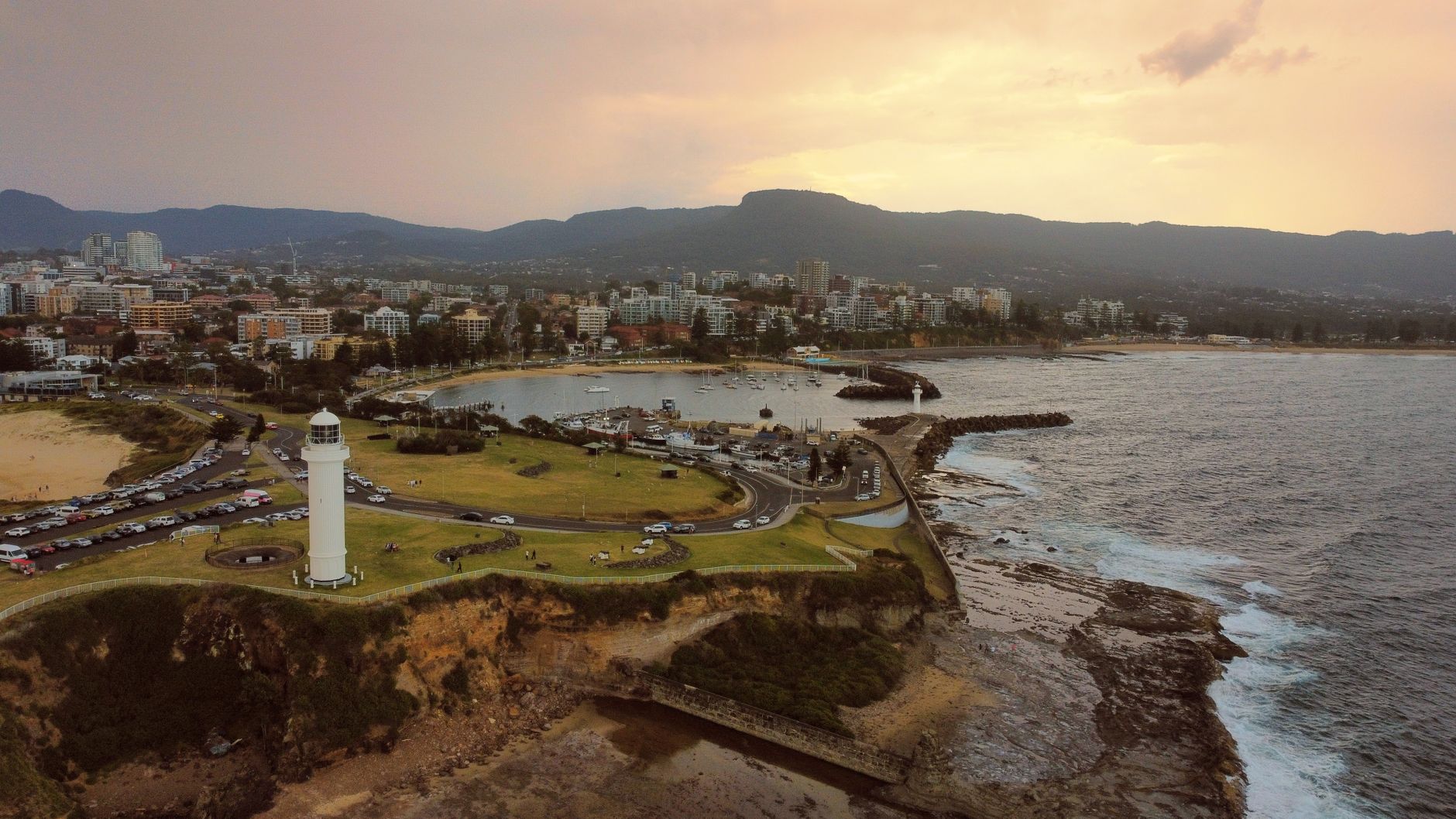
Wollongong Lighthouse and Breakwater, the 1872 lighthouse at the harbour headland is one of the oldest operating lighthouses in NSW and the most photographed heritage structure in Wollongong. The breakwater, the fishing boats, and the lighthouse together create the maritime heritage image that identifies the Wollongong harbour.
Bulli Pass and the escarpment road heritage, the Bulli Pass, the Lawrence Hargrave Drive cliff road from Clifton to Scarborough, and the escarpment lookouts document the extraordinary engineering feat of connecting the coastal plain to the plateau across the vertical face of the Illawarra Escarpment that the 1880s railway and road builders accomplished.
Community
Community
Community
Community
Community
Community
About this articleBeta
Published by The Daily Wollongong
Spread the word
Daily brief
Free, in your inbox before 7am. Weekdays.
The Daily Network — local news across Australia